

Blog
Restaurant operationsInsights and playbooks
Practical guides to food cost, inventory, purchasing, suppliers and running a restaurant, organised by topic so you can go from the basics to the details.
Food cost & menu profit
All guides on this topic →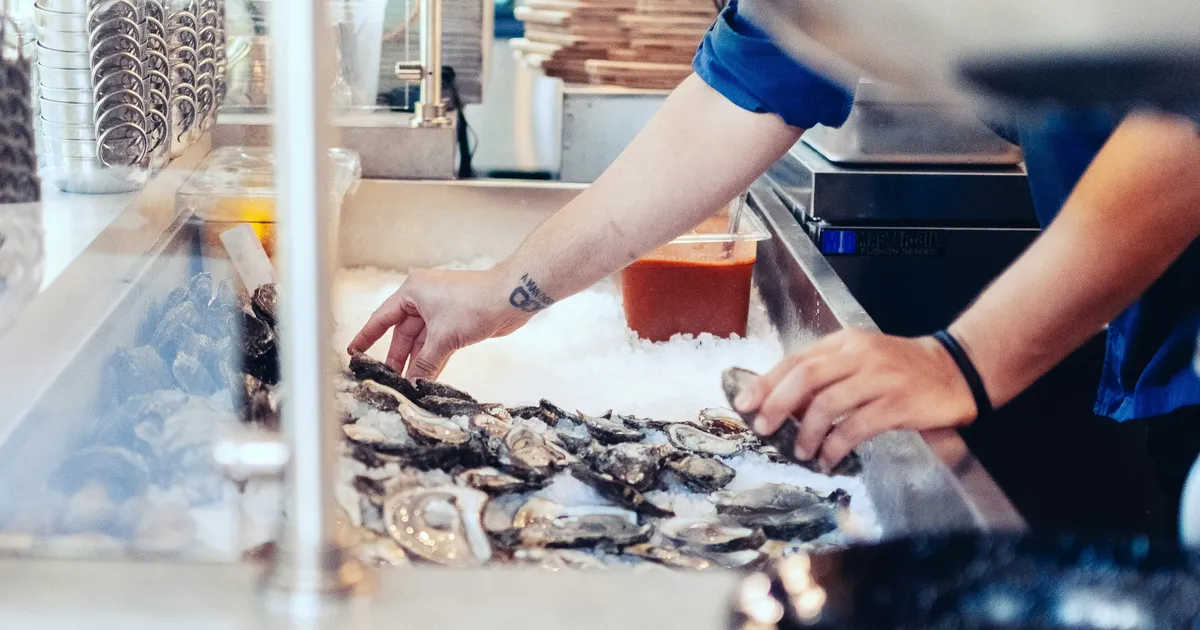
Typical Seafood Restaurant Food Cost Percentage
Managing the most volatile ingredient costs in the restaurant industry

Average Steakhouse Food Cost Percentage Benchmarks
Why steakhouses run the highest food cost in the industry and how they stay profitable
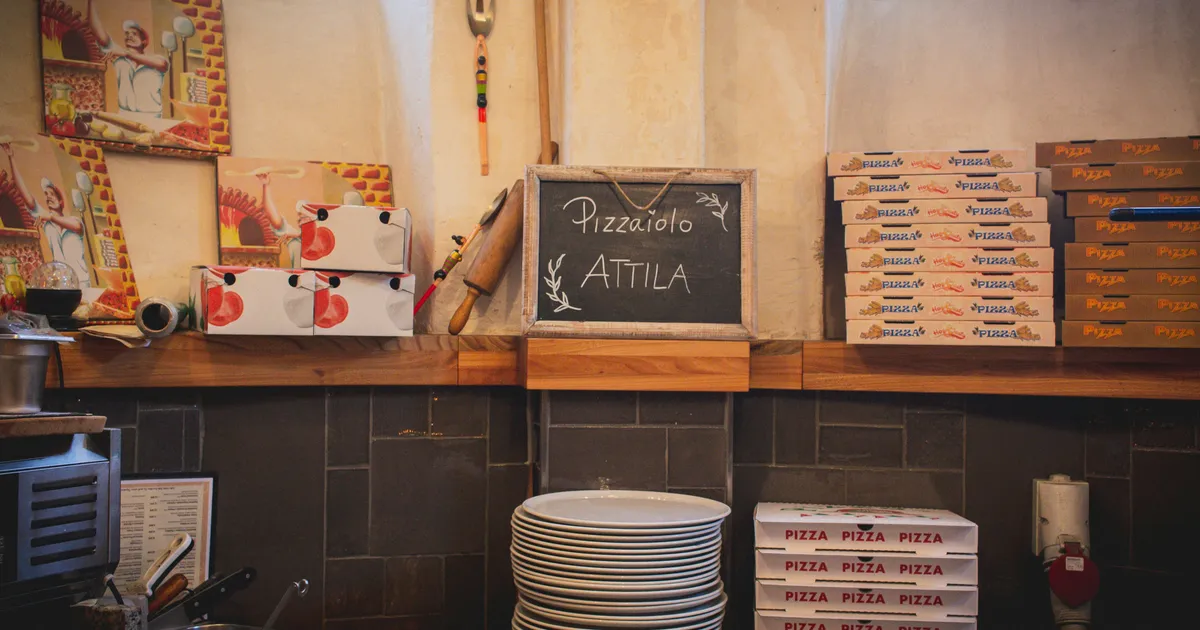
What Is a Good Food Cost Percentage for Pizza Restaurants?
Why pizza has some of the best margins in the industry and how to keep them that way
What Is the Average Restaurant Food Cost Percentage?
What's the average food cost percentage for restaurants? Get industry benchmarks by restaurant type, cuisine, and size — with data from the National Restaurant Association and real-world operations.
Food Cost Variance: A Worked Example and How to Find the Cause
A worked food cost variance example, the six causes behind most gaps between actual and theoretical food cost, and the week-long tests that tell you which one is costing you money.

6 Ways to Keep Food Costs Steady All Year Long
How restaurants can handle seasonal swings, pricing pressure, and operational drift
4 Menu Changes That Improve Profit Without Upsetting Regulars
How to strengthen contribution margin while protecting guest trust
Actual vs. Theoretical Food Cost: How to Calculate and Track Variance
Most restaurant operators know their food cost percentage. Fewer understand why that number is what it is. Actual food cost tells you where you ended up. Theoretical food cost tells you where you should have been. The difference between the two—variance—tells you why. This guide explains how to calculate both, how to interpret the gap, and what to do when variance exceeds acceptable thresholds.

How to Calculate and Control Restaurant Food Cost Percentage
Food cost percentage is the single most important financial metric for restaurant profitability. It measures how much of every revenue dollar goes toward the ingredients on each plate. For an industry where average net profit margins hover between 3% and 5%, even a one-point shift in food cost can mean the difference between a profitable quarter and a losing one. This guide explains exactly how to calculate food cost percentage, what the benchmarks are by restaurant type, and which operational strategies bring that number under control.
Inventory & waste
All guides on this topic →
6 Practical Ways to Get More Value From Your Inventory Software
How to turn a tool into a real operating advantage instead of a digital filing cabinet

10 Inventory Habits That Lower Food Cost and Keep Kitchens Running Smoothly
Practical guidance for chefs, managers, and restaurant owners

How to Reduce Food Waste in Your Restaurant: A Data-Driven Guide
U.S. restaurants and foodservice businesses generated 12.5 million tons of surplus food in 2024, and 85.9% of it went to landfill or incineration. For an industry operating on 3% to 5% net margins, waste is not just an environmental issue—it is a direct and significant drain on profitability. This guide covers the primary causes of restaurant food waste, how to measure it, and the operational strategies that produce the largest reductions.
Restaurant Inventory Management: The Complete Guide for 2026
Inventory is one of the largest expenses a restaurant carries, typically accounting for 28% to 35% of revenue. Yet many operators still rely on pen-and-paper systems, spreadsheets, or inconsistent counting methods that leave thousands of dollars in waste, theft, and over-ordering invisible. This guide covers the fundamentals of restaurant inventory management, from counting methods and par levels to technology adoption and waste reduction.
Purchasing & suppliers
All guides on this topic →
5 Ways to Protect Your Restaurant When Vendors Miss, Delay, or Raise Prices
A practical supplier-management guide for restaurant owners and chefs

Restaurant Vendor Management: Building a Reliable Supply Chain
Independent restaurants typically work with three to seven vendors, ranging from broadline distributors to specialty suppliers to local farms. Managing these relationships—negotiating prices, tracking deliveries, resolving quality issues, comparing options—is one of the most time-consuming and consequential responsibilities in restaurant operations. A well-managed vendor network reduces cost, improves quality, and protects against supply disruptions. A poorly managed one leads to hidden overcharges, inconsistent quality, and operational disruption when a key supplier fails. This guide covers how to evaluate, manage, and optimize restaurant vendor relationships.

Manual vs. Automated Restaurant Procurement: A Complete Comparison
Every restaurant must purchase ingredients, but the method of procurement varies enormously. Some operators still place orders by phone, track costs in spreadsheets, and reconcile invoices by hand. Others use automated platforms that generate purchase orders from inventory data, scan invoices with AI, and track vendor pricing in real time. The difference between these approaches is not theoretical—it shows up in food cost percentage, labor hours, data accuracy, and profitability. This article compares the two approaches across every dimension that matters to restaurant operations.

How to Negotiate Better Prices with Restaurant Food Suppliers
Ingredient costs are the largest controllable expense for most restaurants, typically consuming 28% to 35% of revenue. Even small improvements in supplier pricing have an outsized impact on profitability. A 3% reduction in food cost for a restaurant generating $1 million in annual sales translates to $30,000 in additional profit—a meaningful sum in an industry where average net margins are 3% to 5%. This guide covers the strategies, tactics, and preparation needed to negotiate effectively with food distributors and suppliers.
Running the restaurant
All guides on this topic →
5 Ways to Keep Restaurant Performance Strong When Business Gets Unpredictable
How owners can protect cash, service, and team confidence during volatile periods

5 Scheduling Moves That Help You Stay Fully Staffed Without Overspending
How better scheduling protects service, morale, and labor cost at the same time
5 Reasons Growing Restaurants Need One System for Inventory, Ordering, and Cost Control
Why disconnected tools create hidden labor, weak visibility, and avoidable margin loss
How Food Holidays Can Fill Seats and Raise Average Checks
Seasonal promotion ideas that feel useful for operators, not gimmicky
10 Restaurant Numbers Owners Should Review Every Week
A simple scorecard for margin, labor, menu, and operating discipline
Ready to streamline your operation?
Start managing inventory, purchasing, vendor collaboration, and analytics in one workflow — free to get started.